What is Ghee?
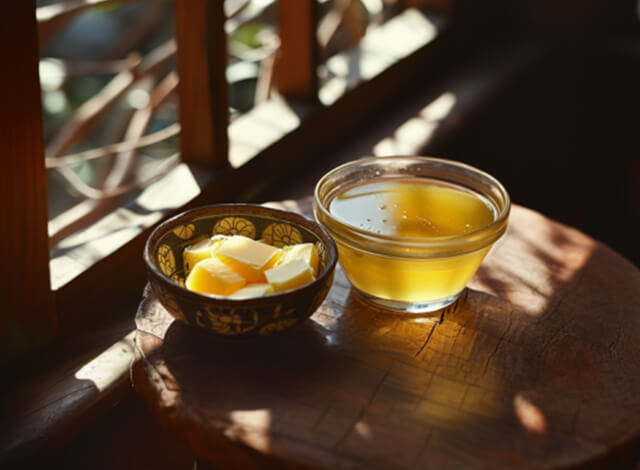
One kind of clarified butter is ghee. It has less water and milk solids than butter, making it higher in fat content. For thousands of years, it has been a part of Indian and Pakistani traditions. The word is derived from a Sanskrit word that means “sprinkled.” The purpose of ghee was to keep butter fresh in warm conditions. Apart from its culinary application, ghrita is the term used in the Indian Ayurvedic medical system. Ghee does not require refrigeration because its milk solids have been removed, and it can be stored at room temperature for several weeks. Stored in a cold environment, it might solidify just like coconut oil.
What is Butter?
A dairy product called butter is created by churning cream to separate the fat from the buttermilk. It works well in cooking, baking, and as a spreading ingredient. Butter is a basic ingredient in many cuisines across the world and gives food richness, flavour, and texture. It gives meals a distinctive, savoury flavor and a creamy consistency since it contains butterfat, water, and milk proteins.
Ghee vs. Butter: Key Differences
The main difference between ghee and butter lies in their composition and cooking properties:
- Smoke Point: Ghee (~485°F) is higher than butter (~350°F), making ghee better for high-heat cooking.
- Lactose Content: Ghee is lactose-free, while butter contains small amounts of lactose and casein.
- Shelf Life: Ghee lasts longer without refrigeration compared to butter.
- Flavor: Ghee offers a nuttier, caramel-like taste, whereas butter has a creamy, savory flavor.
Ghee vs. Butter: Nutrition Profile
Ghee and butter offer differing nutrition profiles due to their processing methods. Ghee contains higher levels of fat-soluble vitamins like A, E, and K, as well as butyric acid. It lacks lactose and casein, making it suitable for lactose-intolerant individuals. However, it’s higher in saturated fats. Here’s a comparison table of their nutritional values (per 1 tablespoon serving):
| NUTRIENT | GHEE | BUTTER |
| Calories | 112 | 102 |
| Fat | 12.7 | 11.5 |
| Saturated Fat | 7.9 | 7.3 |
| Cholesterol (mg) | 33 | 31 |
| Protein (g) | 0 | 0.1 |
| Vitamin A (IU) | 498 | 355 |
| Vitamin E (mg) | 0.4 | 0.3 |
| Vitamin K (mcg) | 0.5 | 1.0 |
| Lactose | 0 | 0.1g |
| Casein | 0 | 0.1g |
This table demonstrates the slight differences in calorie content, fat composition, and vitamin levels between ghee and butter.
Is Ghee Healthier Than Butter?
The big question: Is ghee healthier than butter?
- For lactose-intolerant individuals – Ghee is better since it’s free of lactose and casein.
- For high-heat cooking – Ghee’s higher smoke point makes it safer and healthier for frying and roasting.
- For nutrition – Ghee has slightly more fat-soluble vitamins (A, E, K) than butter.
- For moderation – Both ghee and butter are high in calories and saturated fat, so portion control is key.
Conclusion: Ghee may be the healthier option for people seeking a dairy-free alternative, longer shelf life, and added nutrients. However, butter can still fit into a balanced diet.
Preparation and Benefits of Ghee
How to Prepare Ghee?
A traditional Indian staple, ghee is made by boiling butter over low heat until the milk particles fall to the bottom and the butter’s water content evaporates. After that, the butter is filtered to remove any remaining pure golden ghee.
Benefits of Ghee
- Longer shelf life compared to butter
- High smoke point, making it suitable for sautéing and frying
- Good option for lactose-intolerant individuals
- Rich in fat-soluble vitamins like A, E, and K
- Contains healthy fatty acids
- Free of casein and lactose
- In Ayurveda, believed to aid digestion and nourish the body and soul
Also Read: 15 Amazing Benefits of Ghee
Preparation and Benefits of Butter
How to Prepare Butter?
Traditionally, to make butter, cream that has been separated from milk is churned until the fat molecules group together and separate from the buttermilk. The distinctive flavour and creamy texture of butter are produced by this method.
Benefits of Butter
- Butter works well in baking, cooking, and spreading on bread, making it highly valued.
- It is a great source of vital fatty acids and fat-soluble vitamins such as A, D, E, and K.
- Butter adds flavour and richness to food.
- It helps promote fullness.
- Butter provides energy.
- It is an important part of many culinary traditions around the world.
How to Store Butter and Ghee
Both butter and ghee should be stored in airtight containers in the refrigerator to maintain freshness. However, butter can also be kept at room temperature for short periods, while ghee is best stored at room temperature away from sunlight to prevent oxidation and maintain its flavour and texture.
How to cook with ghee
Ghee can be used to cook in a variety of ways, including roasting, frying, baking, and sautéing. It’s rich flavour and high smoke point add a nutty aroma and a touch of sweetness to food. It’s a multipurpose ingredient that gives savory and sweet recipes depth and richness.
Final Thoughts: Ghee vs. Butter
When comparing ghee vs. butter, both have their place in the kitchen. Ghee shines for high-heat cooking, lactose-free diets, and longer storage, while butter works best for baking and adding creaminess.
So, is ghee healthier than butter? Yes, in many ways – but the healthiest choice depends on your dietary needs and how you use them. Enjoy both in moderation for flavor, nutrition, and variety in your meals.
In a nutshell, because of its rich flavour and high smoke point, ghee can be used in a wide variety of culinary applications. Ghee gives food a unique richness and aroma, whether youre baking pastries, searing meats, or sautéing veggies. AVT Ghee distinguishes out as a reliable option in terms of quality. Famous for its exceptional flavor and purity, AVT Ghee makes sure that every dish is prepared to the best ability. Thus, enhance your culinary endeavours by utilizing AVT Ghee and relish the abundance of customs and excellence in each meal.
FAQs
-
Is ‘normal’ butter bad for you?
Moderation is key, but ‘normal’ butter can be part of a balanced diet.
-
What are the side effects of ghee?
Excessive consumption of ghee may lead to weight gain and elevated cholesterol levels.
-
Who should not eat ghee?
Individuals with lactose intolerance or dairy allergies should avoid ghee.
-
Does ghee burn fat?
Ghee consumed in moderation as part of a balanced diet may support weight loss due to its healthy fats.
-
Why is ghee used instead of butter?
Ghee’s higher smoke point and distinct flavour make it preferable for certain cooking methods and dietary preferences.
-
Is ghee good or bad for you?
Ghee can be beneficial when consumed in moderation as it offers healthy fats and fat-soluble vitamins.
Popular Products
AVT Dairy Sure Premium Cow Ghee 200ml Jar | AVT Dairy Sure Dairy Whitener 400g Polypouch | AVT Dairy Sure Dairy Whitener 200g Polypouch | AVT Dairy Sure Premium Cow Ghee 1000ml Jar | AVT Dairy Sure Premium Cow Ghee 500ml Jar